Designing your dream home is an exciting journey that allows you to express your personality and create a space tailored to your lifestyle. Understanding the key elements of personalized design can help you make informed decisions, ensuring that your home is not only beautiful but also functional. This article explores essential aspects of home design, providing practical tips and inspiration for creating a space that truly feels like your own.
One of the first steps in personalizing your home is establishing a clear vision. Take time to reflect on what makes you feel comfortable and happy in your surroundings. Consider your interests, lifestyle, and the activities you enjoy. Creating a mood board can be a helpful exercise, allowing you to gather images, colors, and textures that resonate with you. This visual representation can serve as a guide throughout your design process, helping you stay focused on your goals.
Space planning is a crucial aspect of personalized design. Understanding how you will use each room is essential in creating a layout that maximizes functionality and flow. Start by assessing the dimensions of your space and considering how different areas will serve your needs. For example, in a living room, you might want to create distinct zones for relaxation, entertainment, and conversation. Use furniture placement to define these areas, ensuring there is ample space for movement and interaction. When planning, think about the lifestyle you lead—if you often host gatherings, prioritize an open layout that encourages socializing.
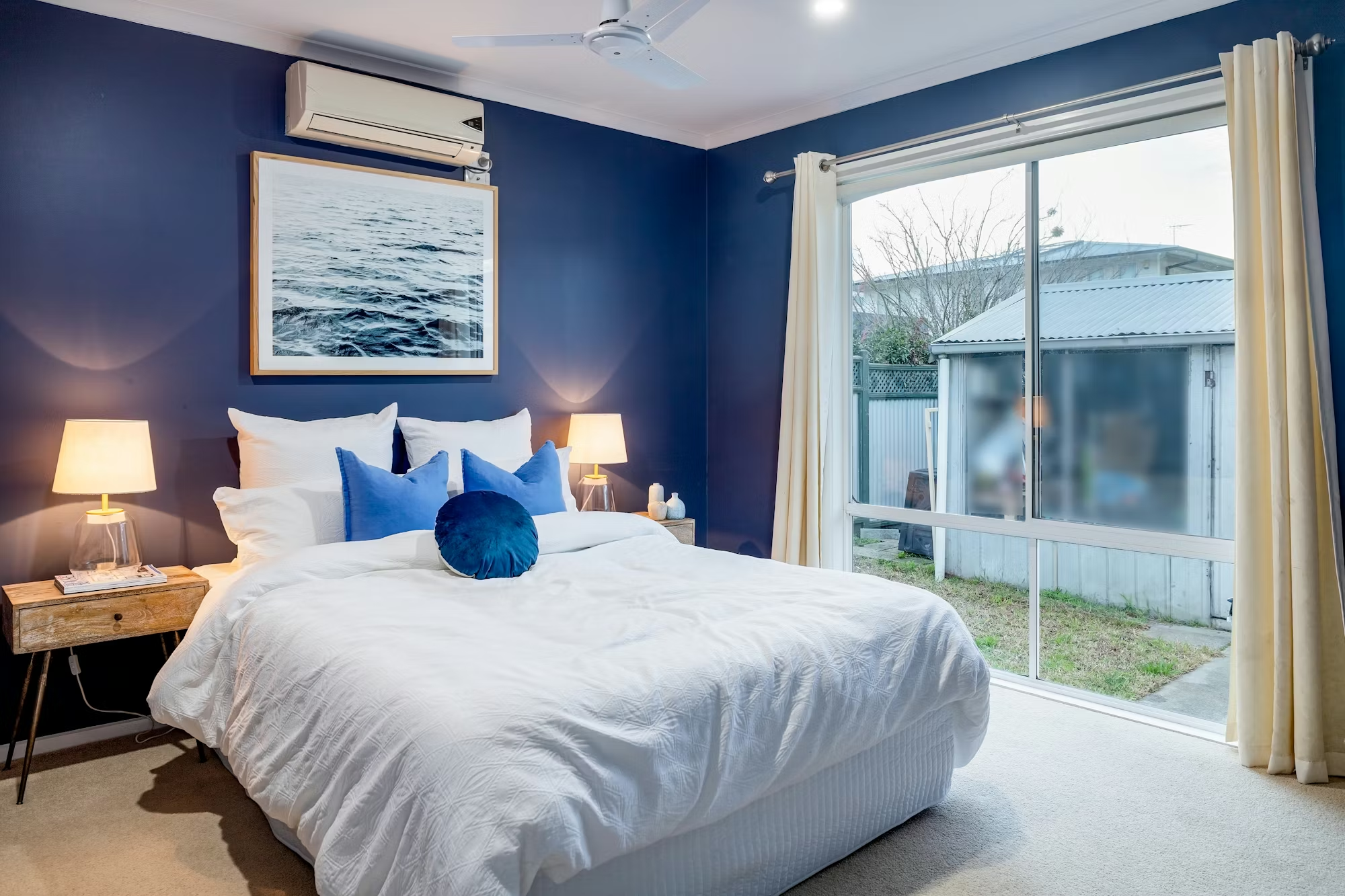
Color is a powerful tool in home design, capable of influencing mood and atmosphere. Choose a color palette that reflects your personality and complements your lifestyle. Lighter colors can create a sense of openness and calm, while bold hues can add energy and excitement to a space. Consider how colors will interact with natural light throughout the day, as this can affect how they appear. To achieve a cohesive look, limit your palette to a few key colors and use variations of these shades in different rooms. Accent walls, decorative pillows, and artwork are great ways to introduce color without overwhelming the space.
Incorporating texture is another effective way to personalize your home. Mixing materials such as wood, metal, glass, and fabric can create depth and interest. For instance, consider pairing sleek furniture with cozy textiles, like soft throws or plush rugs, to add warmth and comfort. Layering textures not only enhances visual appeal but also contributes to the overall sensory experience of your home. You can experiment with various fabrics, such as linen, velvet, or wool, to introduce unique tactile elements into your design.
Furniture selection plays a pivotal role in creating a personalized space. Choose pieces that resonate with your style and provide comfort and functionality. Investing in quality furniture that reflects your taste can elevate the overall aesthetic of your home. Consider mixing new and vintage items to create a curated look that tells a story. If you have specific needs, such as additional storage or seating, opt for multifunctional furniture that serves more than one purpose. A stylish coffee table that doubles as storage or a sofa bed for guests can optimize your space while enhancing its design.
Lighting is another crucial element that can transform your home. A well-lit space feels inviting and enhances the beauty of your decor. Aim for a layered lighting approach, incorporating ambient, task, and accent lighting to create a balanced atmosphere. Use overhead fixtures for general lighting, table lamps for reading or working, and wall sconces to highlight artwork or architectural features. When selecting light fixtures, consider their style and how they complement the overall design theme of your home. Don’t forget to take advantage of natural light; open curtains during the day to let sunlight flood your spaces.
Art and decorative accents are the finishing touches that can make your home feel complete. Art not only adds personality but also serves as a conversation starter. Choose pieces that resonate with you and reflect your interests or experiences. Whether it’s a large canvas or a collection of smaller prints, the art you select can enhance your home’s overall aesthetic. In addition to art, consider incorporating personal items like family photographs, travel souvenirs, or heirlooms. These elements infuse your space with memories and stories, making it uniquely yours.
Sustainability is an increasingly vital consideration in personalized home design. As more homeowners seek to minimize their environmental impact, incorporating eco-friendly materials and practices can enhance your home’s design. Look for furniture made from reclaimed or sustainably sourced materials, and opt for low-VOC paints to improve indoor air quality. Adding indoor plants can also contribute to a healthier environment while beautifying your space. Consider creating a small indoor garden or using potted plants to bring a touch of nature indoors.
Another important aspect of personalizing your home is organization. A clutter-free environment enhances both aesthetics and functionality. Consider incorporating smart storage solutions that blend seamlessly with your design. Stylish baskets, decorative boxes, and built-in shelves can help keep your space tidy while adding visual interest. Regularly decluttering your belongings can also help maintain an organized home, allowing you to enjoy the beauty of your design without distraction.
As you embark on your personalized design journey, remember that there are no strict rules. Your home should be a reflection of who you are and what you love. Don’t be afraid to take risks and experiment with different styles and elements. Engage with design resources such as magazines, online platforms, and local showrooms to gather inspiration and ideas that resonate with your vision. Seek feedback from friends or family, but ultimately trust your instincts when it comes to making decisions.
In conclusion, creating your dream home involves thoughtful consideration of various elements, from space planning and color selection to furniture choice and lighting. By incorporating personal touches, prioritizing functionality, and embracing sustainability, you can design a space that not only looks beautiful but also feels like home. Embrace the journey of personalizing your space, and enjoy the process of transforming your house into a true reflection of your unique style and lifestyle.