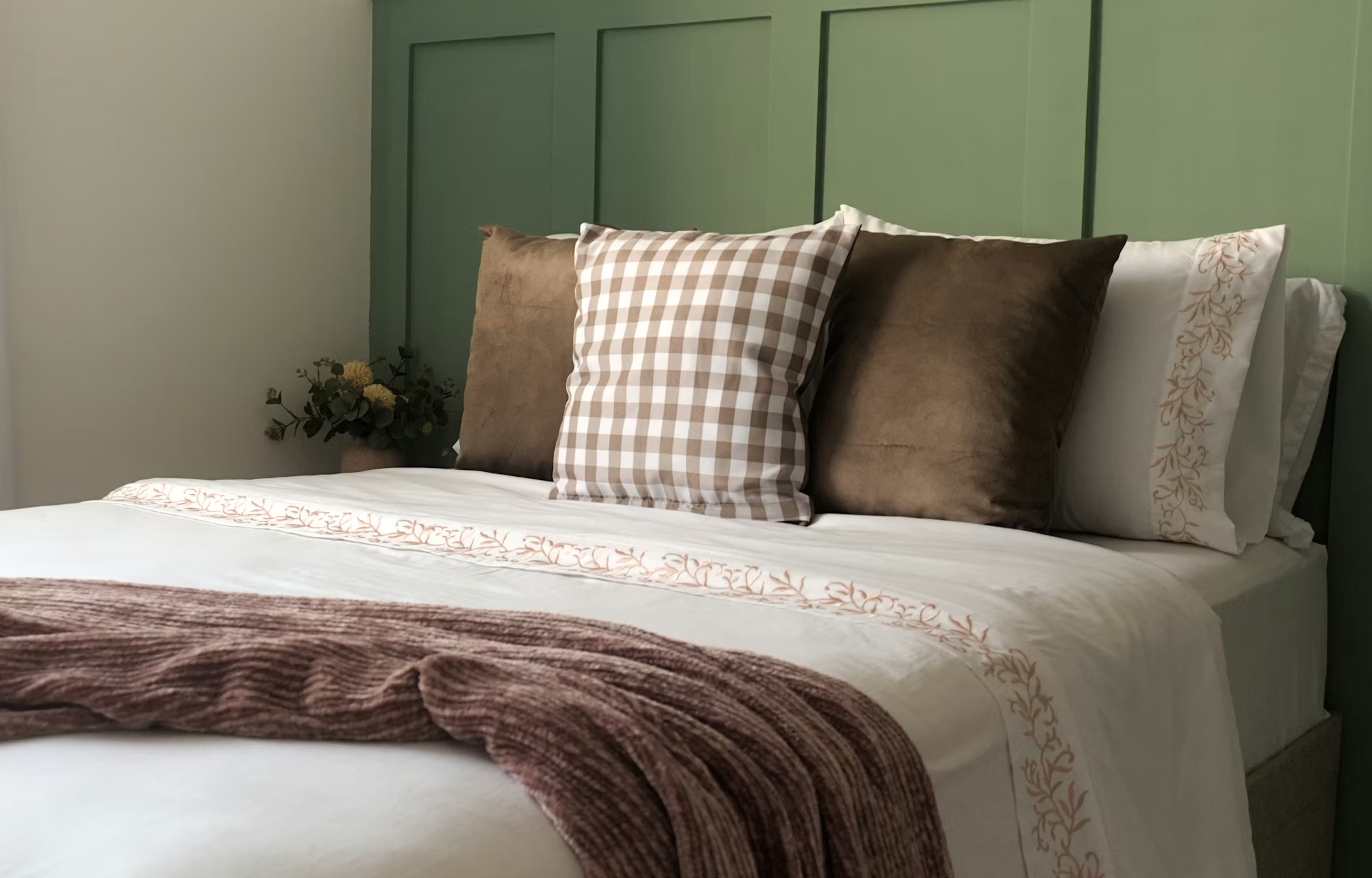
In the realm of interior design, bedrooms hold a unique significance as they serve as personal retreats, spaces for relaxation, and reflections of individual style. The challenge for many homeowners is to create bedrooms that not only look appealing but also cater to their functional needs. This article delves into innovative bedroom design ideas that beautifully blend functionality with style, offering inspiration for creating the perfect sanctuary.
One of the first considerations in bedroom design is the layout. Understanding how to maximize space is crucial, especially in smaller bedrooms. An effective layout should facilitate easy movement while allowing for essential furniture placement. For instance, positioning the bed as the focal point, preferably against the longest wall, can create a balanced look. It’s also beneficial to leave space for bedside tables, ensuring that they are within easy reach for convenience. This arrangement not only enhances accessibility but also promotes a serene atmosphere.
Color plays a significant role in setting the mood of a bedroom. Soft, neutral colors tend to create a calm environment, while bolder hues can add personality and vibrancy. When choosing a color palette, consider the psychological effects of different colors. Blues and greens are known for their calming effects, making them ideal for bedrooms. On the other hand, warmer colors like terracotta or soft yellows can evoke feelings of comfort and warmth. The key is to find a balance that aligns with personal taste while fostering a relaxing atmosphere.
Furniture selection is another critical aspect of bedroom design. Investing in high-quality, multifunctional furniture can significantly enhance both style and practicality. For instance, a platform bed with built-in storage can eliminate the need for additional furniture, helping to maintain a clutter-free environment. Similarly, choosing nightstands with drawers can provide essential storage without compromising on aesthetics. Incorporating furniture with clean lines and minimalist designs can also contribute to a modern, sophisticated look.
Creating designated zones within a bedroom can add functionality without sacrificing style. For example, a small corner can be transformed into a reading nook with a comfortable chair and a side table, allowing for a quiet retreat within the room. Alternatively, a compact desk can serve as a workspace, accommodating those who need to blend work and relaxation in their personal space. Using rugs to delineate these areas can visually separate them, creating a sense of organization and purpose within the room.
Lighting is a pivotal element in bedroom design, influencing both functionality and ambiance. A layered approach to lighting is recommended, combining ambient, task, and accent lighting. Overhead fixtures provide general illumination, while bedside lamps or wall sconces serve as task lighting for reading or working. Accent lighting, such as LED strips or decorative pendant lights, can highlight artwork or architectural features, adding an extra dimension to the design. Dimming options are also valuable, allowing homeowners to adjust the lighting based on the time of day or mood.
Personalization is key to making a bedroom feel truly special. Incorporating personal items, such as artwork, photographs, or travel souvenirs, can infuse the space with character. These elements tell a story and create an emotional connection to the room. Additionally, selecting textiles that reflect personal style—such as unique throw pillows, blankets, or bed linens—can enhance the overall aesthetic. Mixing patterns and textures can add depth and interest, creating a visually stimulating environment.
The importance of storage solutions cannot be overstated in bedroom design. Clutter can disrupt the calming atmosphere that bedrooms are meant to provide. Innovative storage solutions, such as under-bed drawers, hanging organizers, or built-in shelves, can significantly enhance organization. Customized closet systems can also optimize storage space, making it easier to keep clothing and accessories tidy. A well-organized bedroom not only looks better but also promotes a sense of peace and tranquility.
As sustainability becomes increasingly important, many homeowners are looking to incorporate eco-friendly practices into their bedroom designs. Using sustainable materials, such as bamboo flooring, organic cotton bedding, and reclaimed wood furniture, can create a beautiful and environmentally conscious space. Additionally, incorporating plants can improve air quality and add a natural touch, promoting a healthier living environment. These choices not only reflect personal values but also contribute to the overall well-being of the occupants.
Technology also plays a significant role in modern bedroom design. With the rise of smart home technology, integrating devices like smart thermostats, adjustable lighting systems, and voice-activated assistants can enhance comfort and convenience. These innovations allow homeowners to customize their environments, creating the perfect atmosphere for relaxation or productivity. However, it’s essential to strike a balance; too much technology can detract from the serenity of a bedroom, so it’s important to choose gadgets that genuinely enhance the space.
In conclusion, creating an innovative bedroom that balances functionality with style is an achievable goal for any homeowner. By considering layout, color schemes, furniture selection, lighting, and personal touches, it is possible to design a space that is both aesthetically pleasing and practical. Emphasizing organization and incorporating sustainable practices can further enhance the bedroom experience. Ultimately, the best designs are those that reflect individual preferences while fostering an environment of comfort and relaxation. Whether you are redesigning your current bedroom or starting from scratch, these principles will guide you in crafting the perfect personal sanctuary.