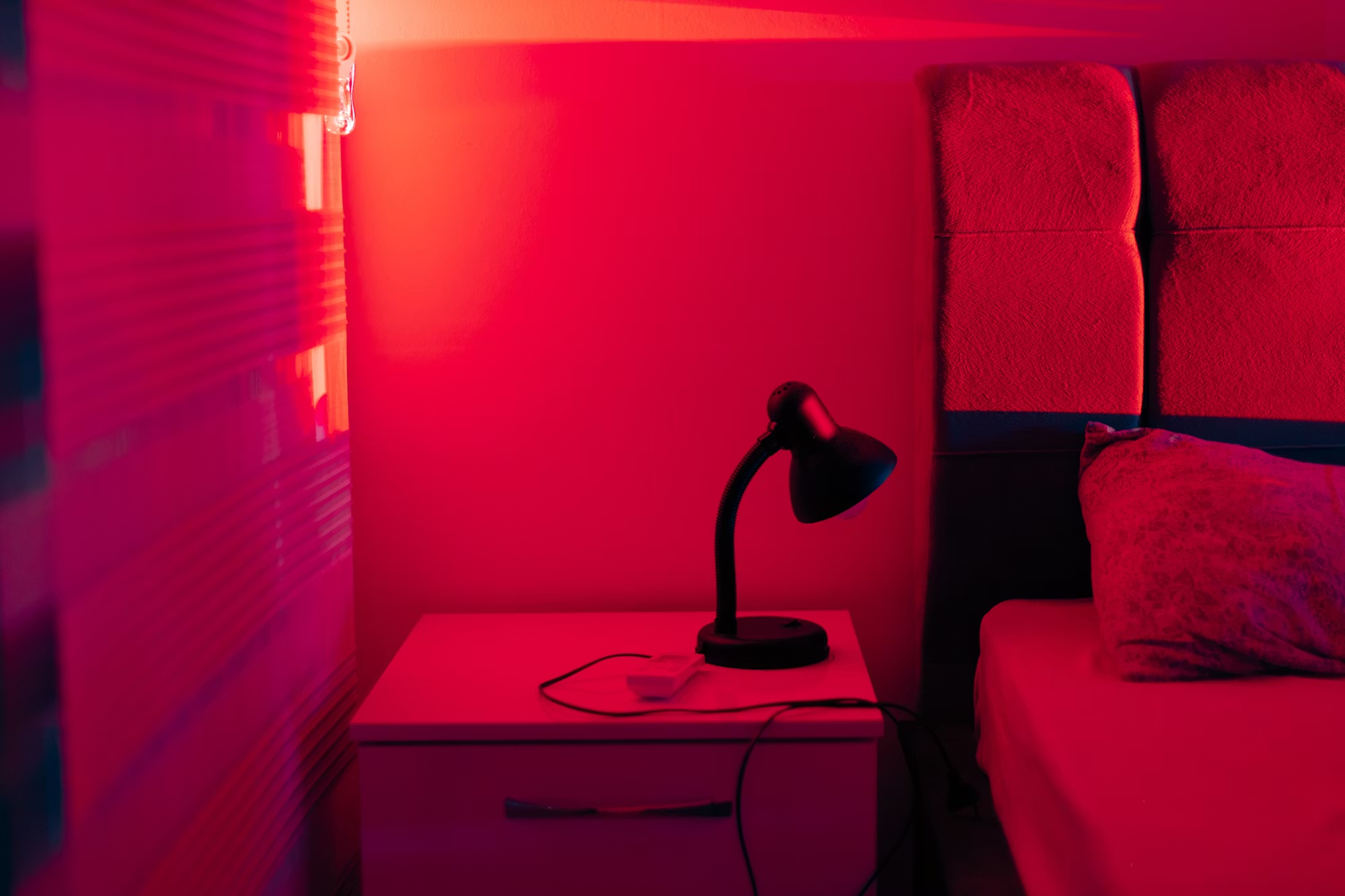
In today’s fast-paced world, the concept of home has evolved beyond mere shelter; it has become a sanctuary where individuals seek comfort, relaxation, and a sense of belonging. As we navigate through our busy lives, having personal spaces within our homes is essential for rejuvenation and self-expression. This article delves into the importance of creating cozy sanctuaries in various areas of the home, emphasizing the role of design, functionality, and personalization.
Starting with the living room, this space often serves as the heart of the home, where families come together to relax and bond. To create a cozy living room, focus on comfort through furniture selection and arrangement. Opt for a plush sectional sofa that encourages lounging and conversation, paired with soft armchairs that invite family and friends to settle in. Layering textiles—like a warm throw blanket and an assortment of cushions—adds to the inviting atmosphere. Choosing a warm color palette, such as soft neutrals or pastel tones, can make the space feel more welcoming and soothing.
Lighting is another crucial element that can transform a living room into a cozy retreat. A combination of natural light during the day and warm artificial lighting in the evening can create a harmonious ambiance. Consider using floor lamps, table lamps, and wall sconces to provide different lighting options for various activities, from reading to hosting guests. Dimmable lights can also be beneficial, allowing you to set the mood for family movie nights or quiet evenings at home.
Moving on to the bedroom, this space is fundamentally a sanctuary for rest and relaxation. Creating a calming environment begins with choosing the right color scheme. Soft blues, greens, and neutrals can promote tranquility, making it easier to unwind at the end of the day. Investing in high-quality bedding is crucial, as it not only enhances comfort but also contributes to the overall aesthetic. Consider layering blankets and using decorative pillows to create a visually appealing and inviting bed.
In addition to comfort, the bedroom should also serve as a reflection of personal style. Incorporating artwork, photographs, or meaningful decor items can add a personal touch, transforming the bedroom into a space that truly feels like your own. Multifunctional furniture, such as nightstands with storage or a bed frame with drawers, can help maintain organization, ensuring that the bedroom remains a serene retreat.
Another important personal space in the home is the home office or study. With remote work becoming increasingly common, having a dedicated workspace is essential for productivity. To create an inspiring home office, select a location that is quiet and free from distractions. A well-organized desk, ergonomic chair, and adequate storage can enhance functionality. Personalizing the space with motivational quotes, plants, or artwork can create an environment that encourages focus and creativity.
The kitchen is often considered the heart of the home, serving as a gathering place for family and friends. To enhance the kitchen’s functionality while creating a cozy atmosphere, consider an open-concept design that seamlessly connects the kitchen to the dining and living areas. This encourages interaction and creates a warm, welcoming environment. Adding a kitchen island not only provides additional prep space but also doubles as a casual dining area for family breakfasts or quick snacks.
Incorporating natural materials, such as wood and stone, can contribute to a warm and inviting atmosphere. Open shelving can display beautiful dishware or cookbooks, adding a personal touch to the kitchen decor. Utilizing smart storage solutions, like pull-out cabinets or drawer organizers, can help maintain a clutter-free space, making it easier to enjoy cooking and entertaining.
For families with children, creating dedicated play spaces is crucial for encouraging creativity and exploration. A well-designed playroom can provide a safe environment for children to express themselves while keeping the rest of the house organized. Soft flooring, bright colors, and ample storage for toys and games create an inviting area where children can thrive. Incorporating a reading nook with comfortable seating and a variety of books can also foster a love for reading and learning.
Additionally, consider integrating a craft area within the playroom. Providing a space for arts and crafts can stimulate creativity and allow children to engage in hands-on activities. By establishing a designated play area, families can encourage children to engage in imaginative play while maintaining order in other parts of the home.
The bathroom, often overlooked, can also become a personal sanctuary. Designing a bathroom that promotes relaxation is essential for self-care. Incorporating soothing colors, such as soft whites or muted pastels, can create a tranquil atmosphere. Investing in plush towels, bath mats, and a cozy robe can enhance the experience, making it feel more like a spa retreat.
Adding elements such as candles, essential oil diffusers, or plants can elevate the ambiance, providing a sensory experience that encourages relaxation. Thoughtful storage solutions, like built-in cabinets or decorative baskets, can help keep the space organized, ensuring that it remains a peaceful retreat.
Outdoor spaces also play a vital role in creating personal sanctuaries. Designing a cozy patio or garden can extend the living space and provide a peaceful escape. Comfortable seating, such as lounge chairs or hammocks, can invite relaxation while enjoying nature. Incorporating outdoor lighting, like string lights or lanterns, can create a magical atmosphere for evening gatherings or quiet moments alone.
Incorporating elements of nature, such as potted plants, flowers, or herb gardens, can enhance the outdoor experience, providing both beauty and fresh air. Creating a designated space for outdoor dining or entertaining can encourage family gatherings and foster connections with loved ones.
In conclusion, the importance of personal spaces within the home cannot be overstated. Designing cozy sanctuaries in various areas allows individuals to create environments that cater to their unique needs and preferences. Whether it’s a comforting living room, a restful bedroom, a productive home office, or an inviting outdoor space, each room serves as a canvas for self-expression and rejuvenation. By focusing on comfort, functionality, and personalization, homeowners can cultivate spaces that promote well-being, enhance family connections, and enrich the overall living experience. As we continue to adapt our homes to fit our lifestyles, the concept of creating personal sanctuaries will remain fundamental to enjoying the true essence of home.