Creating a home is a journey of self-expression and practicality, where every room plays a unique role in daily life. From the bustling kitchen to the serene bedroom, each space is an opportunity to blend function with style, ultimately reflecting the personality of its inhabitants. This article explores how to design and utilize various rooms in your home effectively, ensuring they are both functional and inviting.
Starting with the living room, often regarded as the heart of the home, it serves as a gathering space for family and friends. The design of this room should prioritize comfort and accessibility. A well-structured living room layout encourages conversation and relaxation. Consider arranging furniture to create cozy conversation areas, perhaps with a sectional sofa facing a coffee table. Adding elements like plush cushions and throws can enhance comfort, inviting everyone to settle in and enjoy their time together.
Incorporating personal touches, such as family photographs and art, adds character and warmth to the living room. Selecting a color palette that resonates with the household can also set the mood; warm tones can create a welcoming atmosphere, while cooler shades may promote calm. Additionally, integrating various lighting options—ambient, task, and accent—can significantly affect the room’s feel, making it suitable for any occasion, from lively gatherings to quiet evenings.
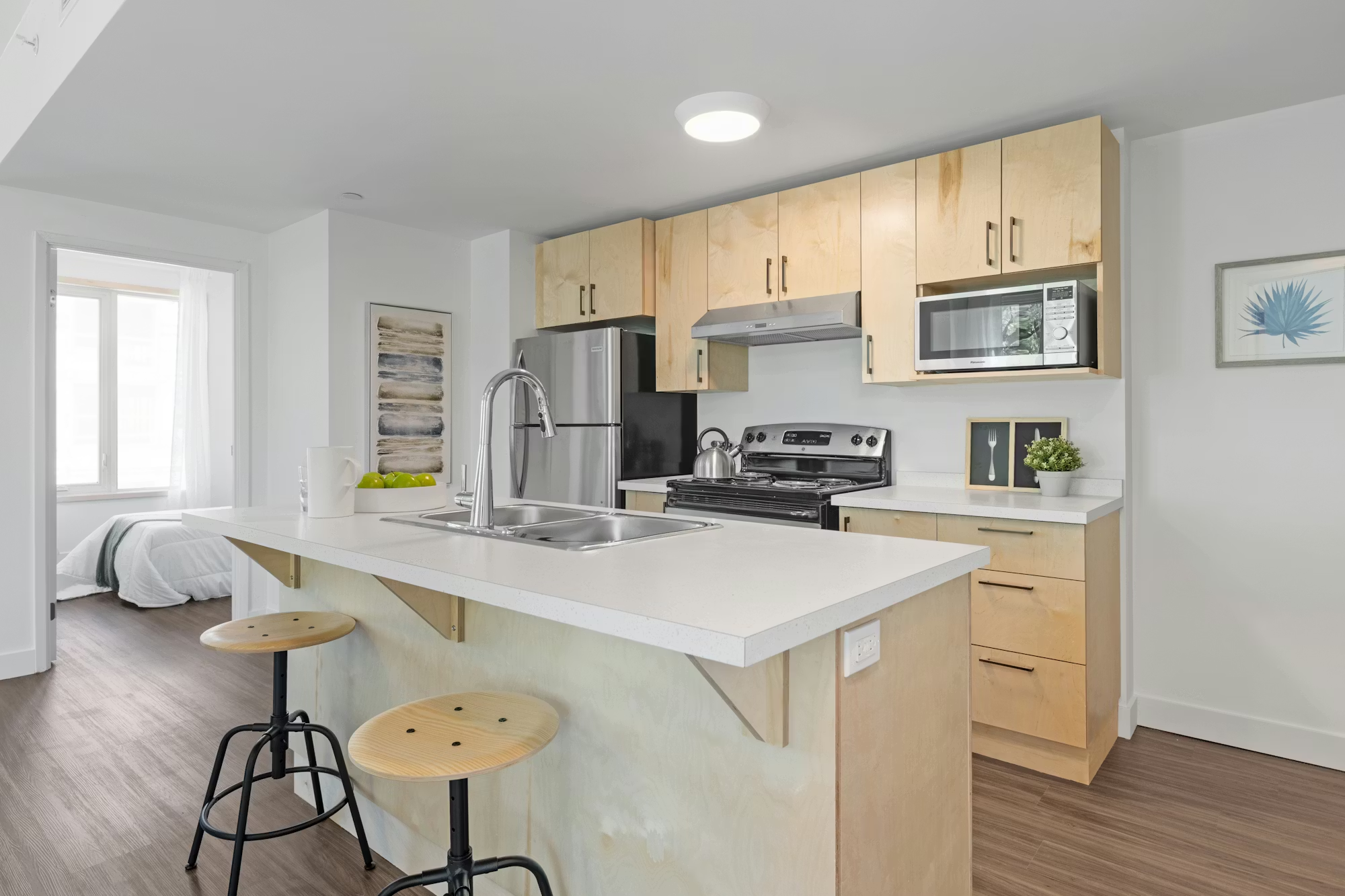
Moving on to the kitchen, this space is not just for cooking; it’s a hub for family interaction. Designing a functional kitchen involves considering the flow of movement and efficiency. The classic kitchen triangle concept—placing the stove, sink, and refrigerator within easy reach of one another—can enhance usability. An island can serve as both additional prep space and a casual dining area, promoting social interaction during meal preparations.
Storage solutions are crucial in a kitchen. Custom cabinetry can optimize space, while open shelving can showcase beautiful dishware or cookbooks, making the kitchen feel inviting. Thoughtful organization, such as pull-out drawers and lazy Susans, can make even the smallest kitchens efficient. Finally, selecting durable yet stylish materials for countertops and flooring ensures the kitchen remains functional and aesthetically pleasing for years to come.
The bedroom is a personal retreat where rest and relaxation are paramount. Designing this space involves creating an atmosphere conducive to sleep and tranquility. Investing in a high-quality mattress and luxurious bedding can significantly enhance comfort. Consider blackout curtains to block out light and ensure a peaceful night’s sleep.
In addition to essential furniture like a bed and nightstands, incorporating elements that reflect personal style—such as artwork, textiles, and decorative pillows—can make the bedroom feel uniquely yours. A reading nook or small workspace can add functionality, making the bedroom a versatile space. Lastly, ensuring good lighting options—such as bedside lamps and dimmable overhead lights—can enhance the room’s ambiance.
The dining room, often an underappreciated space, is essential for family meals and gatherings. A well-designed dining room should accommodate both everyday dining and special occasions. The centerpiece of this room is typically the dining table, which should be appropriately sized to allow for comfortable seating and movement. Surrounding chairs should be comfortable enough for extended dinners, and adding a sideboard can provide additional storage and serving space.
Decorating the dining room with a cohesive theme can enhance its appeal. Consider using table linens, centerpieces, and lighting fixtures that complement the overall style of the home. If the dining room is adjacent to the kitchen, open layouts can facilitate seamless transitions between cooking and dining, creating a harmonious flow for entertaining guests.
In today’s digital age, having a dedicated home office is becoming increasingly important. This space should be designed for productivity, incorporating elements that promote focus and efficiency. Ergonomic furniture, such as a comfortable chair and an adjustable desk, can make long hours of work more manageable. Good lighting is also crucial; natural light can enhance mood and productivity, so positioning the desk near a window is ideal.
Storage is another critical aspect of a home office. Bookshelves, filing cabinets, and organizational tools can keep the space clutter-free and functional. Personalizing the home office with inspiring artwork or motivational quotes can also create an atmosphere that encourages creativity and focus.
The laundry room is often seen as a utilitarian space, but with thoughtful design, it can become more functional and inviting. Incorporating storage solutions, such as cabinets or baskets for sorting clothes, can make laundry tasks easier. A countertop for folding clothes can also be beneficial, especially in smaller spaces.
Adding personal touches, such as a colorful rug or artwork, can transform a mundane laundry room into a pleasant space. Ensuring the room is well-lit and ventilated will enhance comfort during chores, making the laundry process feel less like a burden and more like a manageable task.
For those who prioritize health and fitness, a home gym offers a convenient way to stay active. Designing this space involves considering the type of workouts you enjoy and the equipment you’ll need. Whether it’s weights, yoga mats, or cardio machines, having designated areas for each type of exercise can help keep the space organized.
Mirrors can be a great addition, not only making the room feel larger but also allowing you to check your form during workouts. Good ventilation and lighting are essential for creating a motivating atmosphere. Incorporating music or a sound system can also enhance the workout experience, making exercise something to look forward to.
Children’s playrooms are designed to foster creativity and imagination. These spaces should be safe, engaging, and flexible. Consider using soft flooring to cushion falls and incorporating storage solutions for toys and games. Design elements like chalkboard walls or craft tables can stimulate creativity, encouraging children to explore their artistic side.
Creating a space that allows for both structured play and free expression is key. Providing comfortable seating for adults supervising playtime can also make the area more inviting for the entire family. Bright colors and fun decor can make the playroom a joyful environment where children can thrive.
The media or entertainment room is a fantastic addition for movie lovers and gamers. This space should be designed to provide a cozy, immersive experience. Comfortable seating, such as recliners or sofas, can enhance long movie marathons. A large screen and high-quality sound system are essential for creating a cinematic experience.
Incorporating ambient lighting can enhance the atmosphere, allowing for different moods depending on the activity. Personal touches, such as framed movie posters or themed decor, can make the space feel unique and inviting, making it a favorite spot for family movie nights or game sessions.
The guest room is often the last space to be considered in a home, yet it can leave a lasting impression on visitors. Designing a welcoming guest room involves ensuring comfort and convenience. A comfortable bed with quality linens, ample storage for personal items, and thoughtful amenities—such as fresh towels and toiletries—can make guests feel at home.
Personal touches, like a small welcome note or a guide to local attractions, can enhance the guest experience. Creating a calming color palette and incorporating soft lighting can also make the guest room a relaxing retreat, encouraging visitors to unwind and enjoy their stay.
Finally, the mudroom or entryway serves as the first impression of the home, so it should be functional and inviting. This transitional space should provide storage for outerwear and shoes while remaining organized and clutter-free. Incorporating hooks, benches, and storage cubbies can make it easy for family members and guests to settle in.
Adding decorative elements, such as a welcome mat or artwork, can make the entryway feel warm and inviting. Choosing durable materials for flooring and furniture is essential, ensuring the space remains practical and easy to maintain.
In conclusion, designing and utilizing various rooms in your home is a creative endeavor that balances functionality and personal expression. Each space, from the lively living room to the serene bedroom, serves a purpose that contributes to the overall living experience. By carefully considering design elements, storage solutions, and personal touches, homeowners can create inviting environments that enhance comfort and joy, making every moment spent at home memorable.